

What’s the big deal about play dough? Why do early childhood and elementary teachers suggest students use it, and are there any real benefits from the mess that children may leave behind while using it? Give me just five minutes and I’ll share five reasons why.
As a first grade and reading teacher, I can’t count the number of times I’ve suggested play dough to parents as a way to support the fine motor skills children need in writing, cutting, and other daily activities. Simply working with the dough can help strengthen the pinch, the grasp, and flexibility children need in a fun yet, intentional way.

Have you ever noticed the conversations children engage in while playing with play dough? They may begin to tell stories, or role-play while they manipulate the dough. Telling stories, and interacting socially, are great ways for them to strengthen their language, social, and communication skills at the same time. Have you ever watched children engage in sharing and problem solving when playing with play dough? Go ahead, open up a tub or two, and just watch the magic unfold. I bet you can’t just sit there and watch without getting your fingers involved too 🙂
This open-ended play centered around colorful blobs of dough can also encourage creativity and unleash their artistic skills. When children are allowed to create what they desire, without corrections or criticisms they blossom. Play dough encourages imaginative play as children roll, squish, and mold. Ask them what they’re making, and affirm their choices. Phrases such as: “That’s amazing, what made you think to create this?; Oh, wow!, Tell me more!; You’re so creative!; and You have a fine imagination!” will definitely empower them and encourage more play.

There! In just five minutes I’ve shared five reasons (ok, six) why play dough is such a big deal, and why the crumbs left behind… are evidence that they were working on becoming problem solvers, and results oriented individuals. Learning something new is often messy. Yes, children assuredly need to practice cleaning up behind themselves, but the value in these crumbs, are insignificant in comparison to the academic, and social skills they are cultivating.

- Play dough supports fine motor skills
- Play dough Increases language development
- Play dough increases social and communication skills
- Play dough engages problem-solving skills
- Play dough helps to foster creativity
- Play dough helps to engage the imagination
New Book Coming Soon!
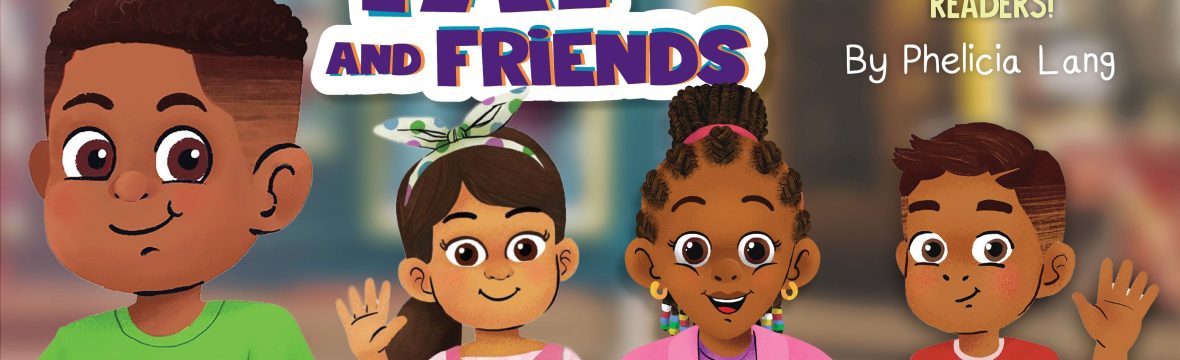
Most children love getting their hands in playdough. Help them learn what makes it so squishy, and what keeps it soft as they practice being scientist in our new title Aleeyah Makes Playdough! All preorders will include a special tub of play dough. This amazing was inspired by the kids in my life who simple love play dough and love science. Aleeyah Makes Playdough will be available the first week in September. If you’d like to read a little more about Aleeyah, click here https://bit.ly/4fnxLq0


Playdough Recipe

Here’s one of my favorite recipes for playdough that I use with my students and at home. They love making their own and kneading the dough. The Kool Aid* (unsweetened drink mix) helps to make it a sensory experience by adding color and scent!
Make some great memories with the kids in your life.
Have Fun,

 Phelicia


You must be logged in to post a comment.